Sold a Thriller, Got a Tearjerker: The Sneaky Art of Genre-Bending Movie Posters
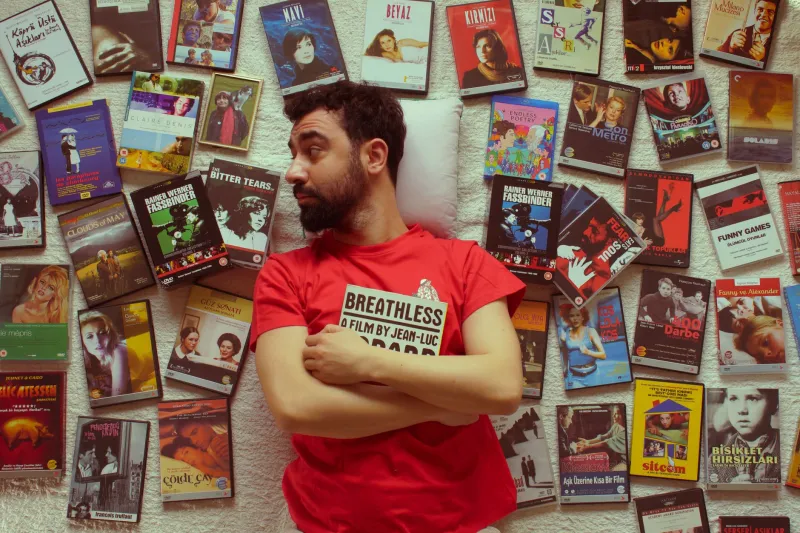
Picture this: You're standing in a movie theater lobby circa 2009. A sleek poster catches your eye — moody blue lighting, a lone figure staring into the middle distance, a tagline that whispers mystery. You buy the ticket. You sit down. And approximately forty minutes later, you are absolutely sobbing into your overpriced popcorn because this is, in fact, a devastating family drama about grief and loss and absolutely nothing like what that poster suggested.
Welcome to the grand tradition of Hollywood's genre disguise game — where marketing departments moonlight as magicians, and audiences are the ones getting sawed in half.
The Bait-and-Switch Is Older Than You Think
Genre misdirection in movie marketing isn't some modern sin born of social media hype cycles and algorithmic targeting. Studios have been pulling this trick since the golden age of cinema. Classic Hitchcock thrillers were frequently marketed with lurid pulp imagery that barely hinted at the psychological complexity lurking beneath. Psycho (1960) was sold almost as a campy horror romp — Hitchcock himself leaning into the carnival barker persona — when the film was, in reality, a methodical, deeply unsettling deconstruction of American normalcy.
The reasons haven't changed much in sixty-plus years. At its core, genre misdirection is a math problem. Studios know that certain genre labels sell better than others in specific demographic windows. A hard-R horror film might struggle to pull in the date-night crowd, but slap a moody, romantic-looking poster on it and suddenly you've got couples wandering into the wrong movie on a Friday night. Surprise!
The Poster That Lied Loudest: Real-World Offenders
Let's talk specifics, because this is where it gets genuinely fascinating — and a little infuriating.
'Drive' (2011) might be the patron saint of genre misdirection. The marketing campaign — particularly in the United States — leaned hard into the Fast & Furious energy. Car chases! Ryan Gosling! Neon! What audiences actually received was a slow-burn, almost meditative neo-noir with long stretches of near-silence and an eruption of extreme violence that made certain moviegoers genuinely upset enough to file a lawsuit. (Yes, really. A Michigan woman sued the distributor, claiming the trailer misled her. The case was eventually dismissed, but still — that's how badly the marketing whiffed.)
'The Grey' (2012) pulled a similar stunt. Liam Neeson punching wolves. That's what the poster sold. That's what the trailer sold. What audiences got was a philosophical meditation on mortality, faith, and the will to survive — with some wolves. Excellent film. Wildly different vibe from the one-man-army action movie plastered across every bus shelter in America.
'Killing Them Softly' (2012) dressed itself up as a slick crime thriller with Brad Pitt looking devastatingly cool against a dark backdrop. What it delivered was a deliberately paced political allegory set against the backdrop of the 2008 financial crisis. Again — great movie. Absolutely not the film those posters were advertising.
Why Studios Make These Calls (And Why They'll Keep Making Them)
Marketing executives aren't villains twirling mustaches in corner offices. They're working under enormous financial pressure to maximize opening weekend numbers, and opening weekend numbers are driven by broad awareness and wide appeal. Genre is, unfortunately, a filter that can dramatically shrink an audience before they ever set foot in a theater.
The calculus is cold but logical: if a film is genuinely difficult to categorize — think a dark comedy with horror elements and a romantic subplot — a marketing team has to pick a lane. And they'll almost always pick the lane that tests best with focus groups.
There's also the matter of platform. A poster has roughly two seconds to communicate something to a passing human being. Two seconds. That's not enough time to convey tonal nuance or genre complexity. So you reach for the most recognizable shorthand available: brooding detective = thriller, couple on a beach = romance, explosion = action. The poster becomes a genre promise whether the studio intends it to or not.
When the Misdirection Actually Works
Here's the genuinely interesting wrinkle: sometimes the bait-and-switch is a feature, not a bug.
'Get Out' (2017) is a masterclass in deliberate ambiguity. The early marketing positioned it as a straightforward thriller — tense, unsettling, but not explicitly horror. This wasn't an accident. Director Jordan Peele and the marketing team at Universal understood that labeling it outright as a horror film might trigger genre bias in audiences who otherwise wouldn't see it. By keeping the poster mysterious and the genre deliberately slippery, they widened the tent. The result was a cultural phenomenon that crossed demographic lines in ways that almost no horror film had managed before.
Similarly, 'Parasite' (2019) — at least in its US marketing push — was positioned with a cool, architectural eeriness that suggested art-house thriller rather than the genre-blending, class-warfare darkly comedic masterpiece it actually is. Did it mislead? A little. Did it get American audiences into seats for a subtitled Korean film that went on to win Best Picture? Absolutely.
The Audience Reckoning
Social media has fundamentally changed what happens after the misdirection lands. In 1985, if a movie poster lied to you, you grumbled to your friends and moved on. In 2024, you post a seventeen-second reaction video that gets three million views and becomes a cultural moment.
The discourse around 'Midsommar' (2019) is a perfect example. Promotional materials leaned into the bright, pastoral imagery — flowers, sunshine, Swedish folk costumes — making it look almost whimsical. What audiences discovered was one of the most psychologically harrowing horror films in recent memory. The contrast between the sunny marketing and the deeply disturbing content became its own form of viral conversation, arguably boosting the film's cult status enormously.
There's a lesson here for studios willing to pay attention: audiences don't necessarily punish genre misdirection when the actual film delivers something genuinely worthwhile. What they punish is disappointment — the hollow feeling of a movie that can't live up to any version of its own hype, misleading or otherwise.
The Posterdle Takeaway
For those of us who live and breathe movie posters — who study them, debate them, and try to guess entire films from a single image — genre misdirection is both a frustration and a secret delight. It's a reminder that a poster is never just a poster. It's a negotiation between a film's true identity and the audience a studio is hoping to lure through the door.
Next time you find yourself staring at a movie poster and thinking something feels off about this, trust that instinct. The image might be telling you a story the film has absolutely no intention of finishing.
And if you've ever shown up expecting car chases and ended up crying in a parking lot? You're not alone. You're just a veteran of one of Hollywood's oldest and most reliable tricks.

